
7 Low Cost Employee Wellness Ideas: 2026 Guide

Last Updated: November 19, 2026
Quick Summary
Seven low cost employee wellness ideas for 2026 include walking meetings, peer recognition boards, and meeting-free focus blocks, most of which cost nothing per employee. A low cost employee wellness program works best when it is easy to join, relevant to daily work, and tied to what employees actually need.
Walking meetings and peer recognition boards cost $0 per employee and need only one volunteer coordinator.
Meeting-free focus blocks cost nothing beyond a calendar policy, and one owner should remove meeting conflicts.
Healthy snack options are the only idea with a real per-employee cost, so confirm vendor pricing in writing first.
Start with one or two challenges that run four to six weeks and end with a short survey.
Track participation rate, attendance, a three-question survey, and one before-and-after stress rating.
Table of Contents
Workplace wellness does not have to cost a fortune to work. Many small and mid-sized employers in the United States assume that useful employee wellness needs a large budget, a vendor contract, or a dedicated HR team. For a fuller walkthrough of launching and structuring a program for your business, see Starting a Workplace Wellness Program: A Small Business Guide.
Why Low Cost Employee Wellness Programs Work Better Than Expensive Ones
Employers are paying closer attention to wellness spending. The 2026 EPIC trends report says 41% of employers plan to increase wellness spending over the next one to two years (EPIC 2026 Trends in Workplace Wellness Report).
Federal research on worksite programs supports a practical view. Matching individualized support to employees’ chronic-condition needs is the starting point for employee medical wellness programs that fit a small team.
A low cost program also avoids a common trap: launching an expensive initiative that fades after a few months. For practical, cost-effective breakroom upgrades that boost morale, read How to Improve Employee Breakroom Satisfaction.
Seven Low Cost Employee Wellness Ideas for 2026
Each idea below requires little or no budget. For every idea you get a realistic cost range per employee, who can run it, the time it takes, an inclusion note, and a simple way to tell whether it worked. Costs are shown as planning ranges for a typical small or mid-sized U.S. employer; confirm actual prices with vendors before you commit.

!Coworkers walking together outdoors on an office campus path during a sunny lunch break
Idea 1: Walking Meetings and Step Challenges
Cost: $0 per employee for walking meetings.
Who runs it: Any manager or team lead.
Time: About 15 minutes to announce walking meetings. A four-week step challenge takes roughly two to three hours of coordination total.
How it works: Suggest a walk for one-on-one check-ins or small team updates.
Measure it: Count how many walking meetings happened and how many people opted into the challenge.
Idea 2: Peer Recognition Boards
Cost: $0 for a whiteboard or a free digital channel. A small recognition budget is optional.
Who runs it: One volunteer coordinator who reviews the board weekly.
Time: About 10 minutes a week to keep it active.
How it works: A shared board, whether a physical whiteboard or a free digital channel, lets employees post short notes of thanks.
Measure it: Track the number of posts per month and ask in a short survey whether employees feel recognized.
Idea 3: Lunch-and-Learns on Stress and Sleep
Cost: $0 if an internal employee or a community organization leads the session.
Who runs it: A volunteer coordinator who books the speaker and sends the recap.
Time: About one to two hours of planning per session.
Inclusion: Record the session or share slides for remote and caregiving employees, and offer captions.
Measure it: Count attendance and send a three-question survey on usefulness.
Idea 4: Meeting-Free Focus Blocks
Cost: $0 per employee.
Who runs it: A team lead or operations manager who sets the calendar policy.
Time: About 30 minutes to set up and announce.
How it works: Designate one or two blocks each week, such as Wednesday mornings, when no internal meetings are scheduled. Employees gain uninterrupted time to finish demanding work, which many find reduces end-of-day stress. This idea costs nothing beyond a calendar policy.
Inclusion: Make the blocks optional for customer-facing and shift employees who cannot step away, and offer an equivalent quiet window for them.
Measure it: Ask in a short survey whether the blocks helped employees finish work, and track whether meetings crept back into the reserved time.
Idea 5: Healthy Snack Options at Work
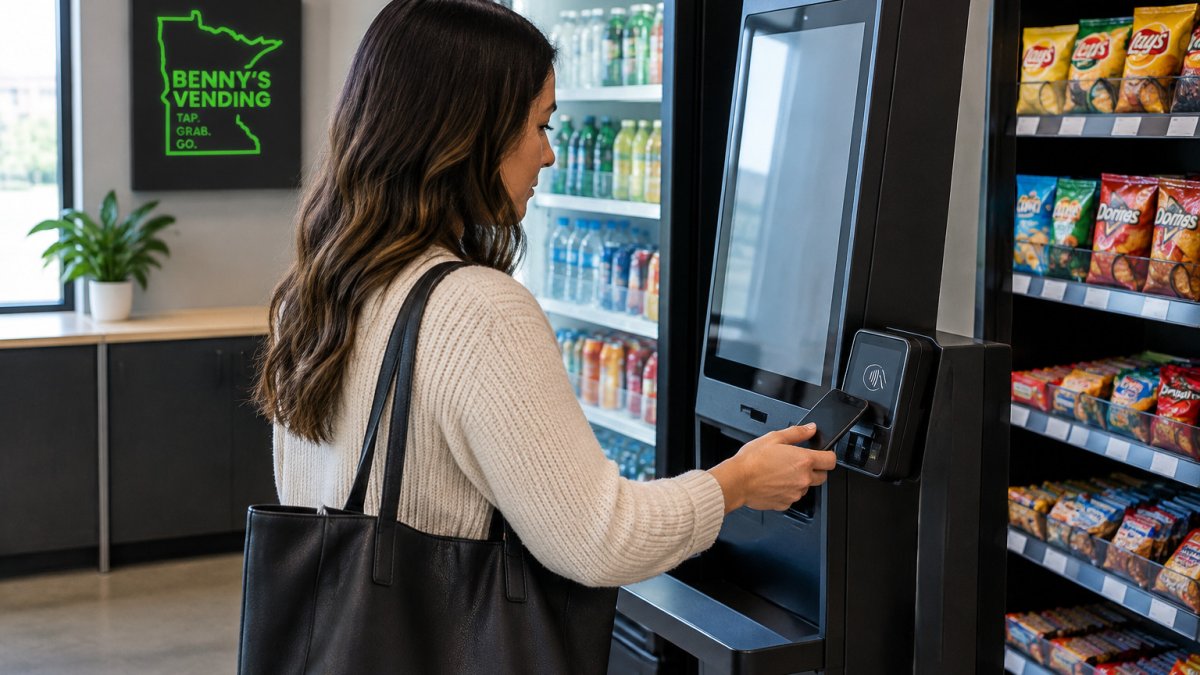
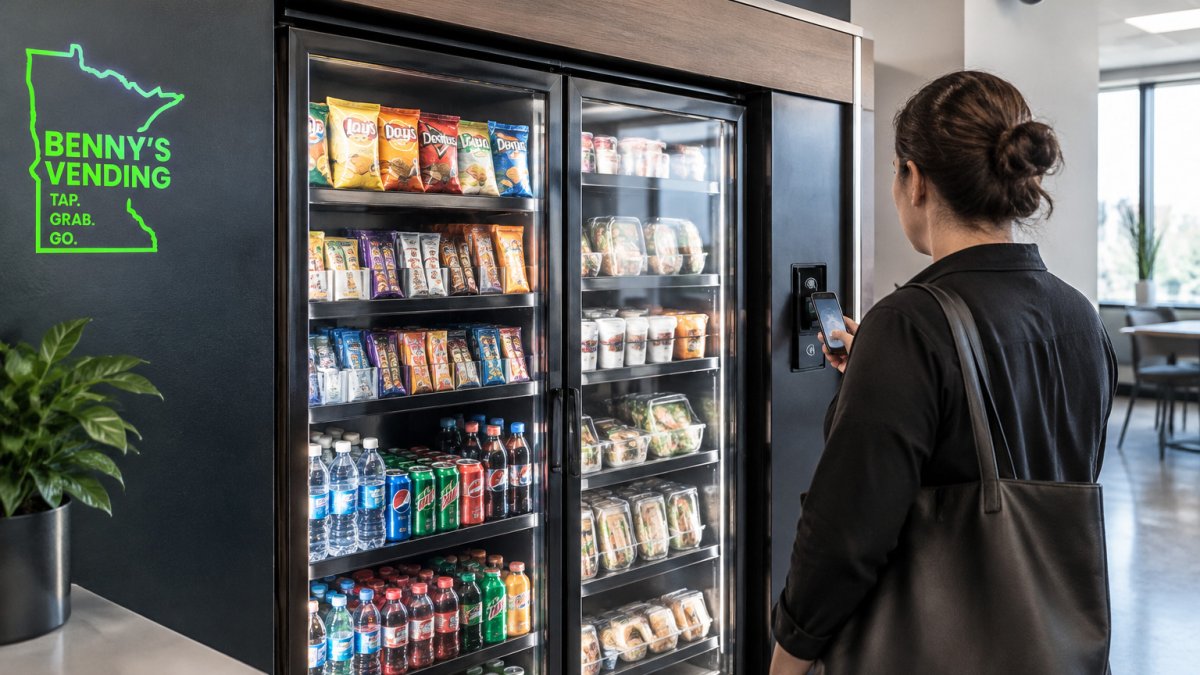
Cost: This is the one idea with a real per-employee cost. Browse the available healthy snack options to see what fits your team.
Who runs it: An office manager or facilities lead, with a vendor handling stocking.
Time: About one hour to set up and a few minutes a week to review sales data.
How it works: Ask employees which items they want before changing the mix, since teams often prefer different options than managers expect.
Inclusion: Keep water and lower-sugar options available, label ingredients for common allergies, and avoid framing snacks as weight-loss tools. To see how a self-service, cashless food and drink area works and how to start one, read How to Set Up a Micro Market Breakroom for Your Office.
Measure it: Track which items sell and ask a short survey whether the selection meets employee needs.
Idea 6: Volunteer Days
Who runs it: A volunteer coordinator who contacts a local nonprofit.
Time: About two to four hours of planning per event.
How it works: Offer a paid or unpaid volunteer day tied to a local cause.
Inclusion: Offer remote or at-home volunteer options for employees with caregiving or mobility constraints, and do not require participation.
Measure it: Count participants and ask whether they would join again.
Idea 7: Gratitude and Monthly Challenges
Cost: $0, or a small amount if you add prizes.
Who runs it: One volunteer who posts a weekly prompt.
Time: About 10 minutes a week.
How it works: Run a monthly challenge, such as a gratitude journal prompt or a hydration goal.
Inclusion: Allow private responses and offer alternatives that do not involve health metrics, such as a reading or kindness challenge.
Measure it: Track voluntary responses and ask in a short survey whether the challenge felt worthwhile.
Across all seven ideas, the pattern is the same: pick one, name an owner, set a four-week window, and measure participation and feedback before adding the next. That keeps a low-budget program sustainable instead of launching everything at once.
Idea | Cost per employee | Who runs it |
Walking meetings and step challenges | $0 for walking meetings | Any manager or team lead |
Peer recognition boards | $0 for whiteboard or free channel | One volunteer coordinator |
Lunch-and-learns on stress and sleep | $0 if internal or community speaker | Volunteer coordinator |
Meeting-free focus blocks | $0 per employee | Team lead or operations manager |
Healthy snack options at work | Varies; check vendor quote | Office manager or facilities lead |
Volunteer days | $0 unpaid, or paid time off | Volunteer coordinator |
Gratitude and monthly challenges | $0, or small cost for prizes | One volunteer |
Budget-Friendly Employee Wellness Challenges You Can Launch This Quarter
Start with one or two challenges rather than all seven ideas at once. Choose the idea that fits your team's current mood and schedule. A good first challenge runs for four to six weeks, has one clear goal, and ends with a short survey. The survey tells you whether to repeat, change or drop the activity. Employee wellness program examples like these work best when they are visible and easy to join, so announce them in a team meeting and in writing.
Vantage Fit
Building a Workplace Wellness Calendar for the Year
A wellness calendar spreads activities across the year so the program does not peak and fade. Plan one theme per month, such as movement in spring, stress and sleep in winter, and gratitude in November. Use a shared calendar to schedule lunch-and-learns, challenges and volunteer days. Leave gaps so the calendar does not overwhelm people with too many events.
Employee Well-Being Best Practices for Small Teams
Small teams have limited HR capacity, so keep administration light. Assign one volunteer coordinator and rotate the role. Make every activity optional and invite feedback before adding new events. Accessibility matters: choose activities that people with different physical abilities can join, offer alternatives for remote staff, and avoid programs that require sharing personal health data. Quality of participation usually matters more than the number of activities.
Measuring Results and Planning Your First Program Launch
Most low-budget wellness pages stop at "track participation." This section gives you a lightweight measurement set and a ready-to-use launch kit so you can act without buying a platform.
Four lightweight measures
Keep the measurement to four numbers and one short survey. None of these require a vendor or a dashboard.
Participation rate. Count unique employees who joined each activity and divide by the number of employees invited. Report it as a percentage. A common pattern is that opt-in activities draw 20% to 40% of a team in the first month; treat that as a starting baseline, not a target.
Attendance at scheduled events. For lunch-and-learns and volunteer days, count attendees against invitees. This separates interest from scheduling conflicts.
Employee feedback. Use a three-question survey that takes under two minutes: Did you participate? Was it useful? Would you do it again? Add one open comment box.
Perceived stress or well-being. Ask a single self-rated question before and after a four-week activity, such as "On a scale of 1 to 5, how manageable did your stress feel this week?" Compare the average, not individual answers, and keep responses anonymous.
Absenteeism is sometimes suggested as a wellness metric, but it is noisy in small teams and influenced by many factors outside the program. If you track it, treat it as context rather than proof that a program worked. Do not imply that any single initiative guarantees healthcare savings.
Ready-to-use launch kit
Rollout checklist
Pick one idea and one owner.
Choose a four-week window and put it on the shared calendar.
Confirm any vendor quote in writing before you announce.
Send the announcement at least one week ahead.
Sample announcement
Subject: Join our four-week [activity] starting [date] We are trying a low-cost wellness activity for the next four weeks: [one-sentence description]. It is completely optional, takes about [time] per week, and you can join at whatever level works for you. [Inclusion note: an alternative is available for anyone who prefers it.] If you would like to take part, reply or sign up by [date]. At the end we will send a three-question survey so we can decide whether to run it again.
Four-week schedule
Week 1: Announce, open sign-up, and send the baseline survey question.
Week 2: Midpoint check-in message; confirm the activity is running as planned.
Week 3: Share one short reminder and one tip; do not add new rules.
Week 4: Close the activity, send the three-question survey, and collect results.
Watch out: Announcing a program before the vendor quote or speaker is confirmed is the most common way a low-budget launch loses credibility, so lock the details first.
To launch your first program, pick one idea from this list, choose a four-week window, announce it clearly, and review the results afterward. You can find out more about Benny's Vending's options on its website, or request a machine to see what fits your office.
Frequently Asked Questions
What are some good ideas for wellness programs at work?
Strong low-cost options include walking meetings, peer recognition boards, lunch-and-learns on stress and sleep, meeting-free focus blocks, and gratitude challenges. Most of these cost little beyond staff time and a few supplies. Pricing for any paid add-ons, such as healthy snack stocking, depends on quantity, delivery schedule, and location. Check Benny's Vending's website for current pricing or a quote.
How can a small business create an employee wellness program on a budget?
Start with two or three ideas that need minimal spending, such as step challenges and a monthly volunteer day. Ask employees which activities they would join, then schedule them on a shared calendar. Track participation for a few months before adding anything new. Keeping the program opt-in makes it accessible for employees with different health needs and schedules.
How often should a workplace run wellness challenges?
Many teams run one main challenge per quarter, with smaller monthly activities in between. This rhythm keeps participation high without overwhelming staff or HR capacity. Shorter challenges of two to four weeks tend to hold attention better than long ones. Review participation and feedback after each round to decide what to repeat.
Comments